
Showing posts with label Dallas Buyers Club. Show all posts
Showing posts with label Dallas Buyers Club. Show all posts
Monday, March 10, 2014

Oriane Sidre sur Dallas Buyers Club

"Porté par quelques tâtonnements et certains poncifs du genre, Dallas Buyers Club demeure cependant un excellent film, notamment grâce à son dynamisme et le caractère assumé de son personnage. Tout le titre le livre, c'est la mise en place de ce club, cette association atypique fournissant des médicaments illicites permettant aux personnes atteintes du sida de calmer leur douleur, qui va constituer le sujet central."
Follow the link to read Oriane Sidre's great review of Dallas Buyers Club, Passer un deal avec la maladie, at her blog Lysao.
Monday, March 3, 2014
Wednesday, November 13, 2013
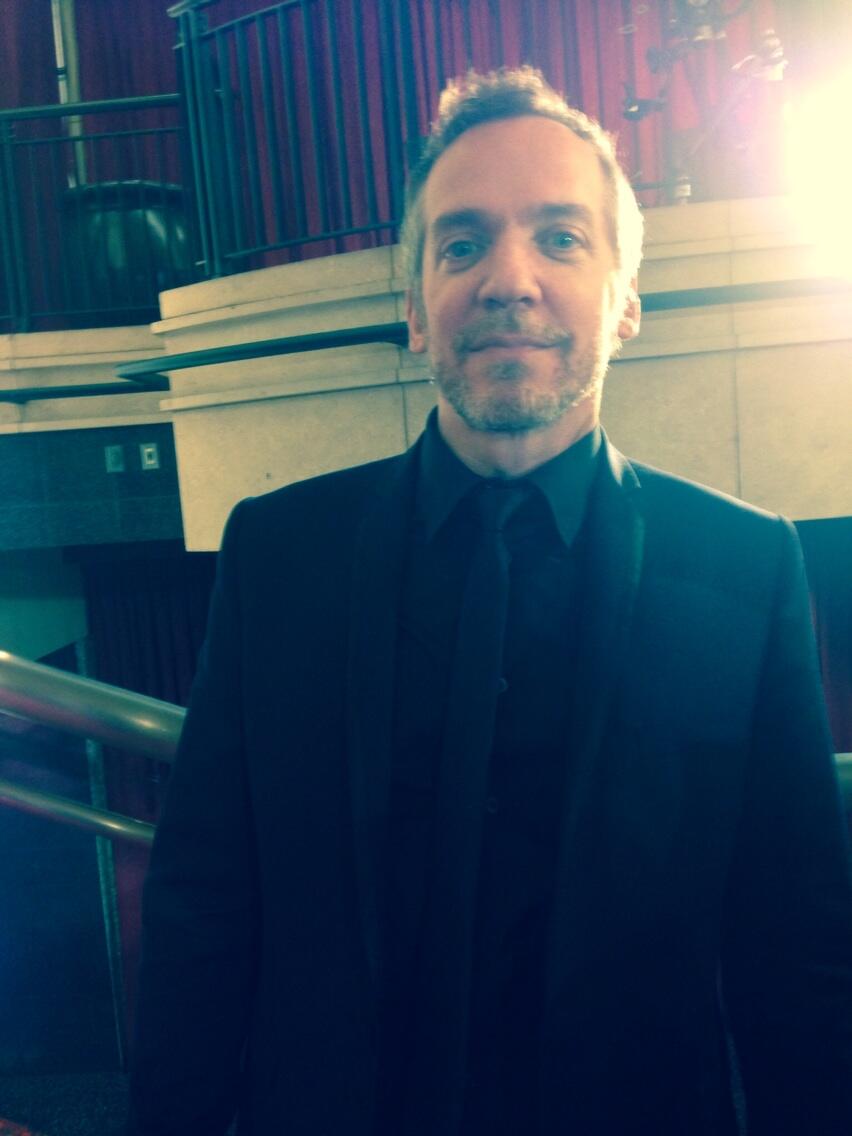
The Cinema of Jean-Marc Vallée
It needs to be
said: Jean-Marc Vallée is one of the greatest filmmakers. There are few
commercial filmmakers, in Canada or abroad, that can create as expressive and emotive imagery. It wasn’t until
his third, out of his six features and shorts, that he broke out and became
popular, and since C.R.A.Z.Y there has
been The Young Victoria, Café de Flore and now Dallas Buyers Club. And with each new film he has been getting better and more ambitious.
Vallée’s creative
process is unique and is worth discussing. He picks new projects for their
story and characters instead of their potential themes.
When writing a script he makes sure to write lines of dialogue that he intends
to be portrayed by gestures. Music is a key inspiration for
him: he sends his actors music CDs for them to better understand their character, and he plays music on the set to communicate the
emotional feelings that he wants to convey in that scene. Even though he describes himself as
being part of the less-is-more school, his acknowledged cinematic influences
are Scorsese’s expressionism and Eastwood’s classicism.
But I don’t necessarily think that these two directors accurately describe what makes Vallée’s cinema so special. The two other directors that come to mind are Brian de Palma and Steven Spielberg, especially for his last two films. Café de Flore accomplishes what Cahiers sees in de Palma, especially the scenes of the DJ working, as it “conveys the pleasures of filmmaking – the director’s temperament is that of a musician.” With Dallas Buyers Club Vallée has now made his Spielberg film: it’s just like Schindler’s List. Ron Woodroof transformation throughout the film is like Oskar Schindler's in that he started out as a self-interested entrepreneur and grew to care and save these people in need. These examples illustrate how Valleé went from creating abstract visual expressions (c.f. Vallée and Kandinsky) to political forms (c.f. Dallas Buyers Club).
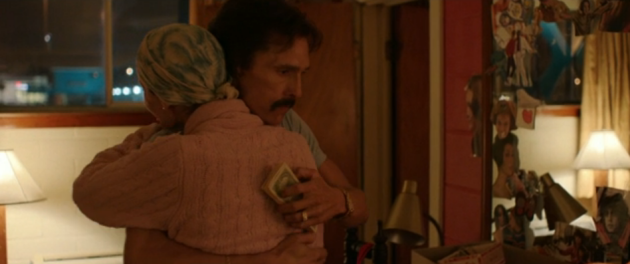
Vallée's cinema achieves what Jean Grémillon described as, “To seize the heart of the drama with a profoundness that bites at the heart of things” and are about “the atrocity of contradictions that are insurmountable and that tear up people.” In the face of threat, disease and death, Dallas Buyers Club’s spirit is a site of hope. What does Ron give Dr. Saks when trying to befriend her when they go out to a restaurant? His only remaining childhood possession: a painting of flowers by his mother. The creation of images is personal, art can move us, and hope is inspiring.
But I don’t necessarily think that these two directors accurately describe what makes Vallée’s cinema so special. The two other directors that come to mind are Brian de Palma and Steven Spielberg, especially for his last two films. Café de Flore accomplishes what Cahiers sees in de Palma, especially the scenes of the DJ working, as it “conveys the pleasures of filmmaking – the director’s temperament is that of a musician.” With Dallas Buyers Club Vallée has now made his Spielberg film: it’s just like Schindler’s List. Ron Woodroof transformation throughout the film is like Oskar Schindler's in that he started out as a self-interested entrepreneur and grew to care and save these people in need. These examples illustrate how Valleé went from creating abstract visual expressions (c.f. Vallée and Kandinsky) to political forms (c.f. Dallas Buyers Club).
Vallée's cinema achieves what Jean Grémillon described as, “To seize the heart of the drama with a profoundness that bites at the heart of things” and are about “the atrocity of contradictions that are insurmountable and that tear up people.” In the face of threat, disease and death, Dallas Buyers Club’s spirit is a site of hope. What does Ron give Dr. Saks when trying to befriend her when they go out to a restaurant? His only remaining childhood possession: a painting of flowers by his mother. The creation of images is personal, art can move us, and hope is inspiring.
Monday, November 11, 2013
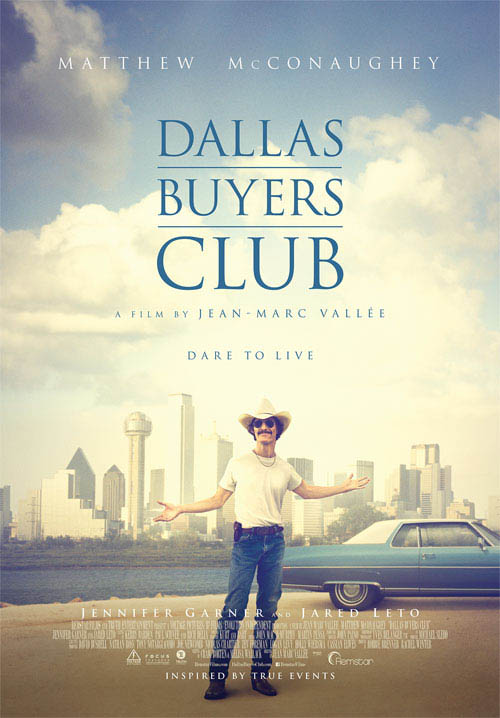
Dare to Live: Dallas Buyers Club
Dallas Buyers Club is a political film in that its subject
is the governing and administration of the state. What are the responsibilities
of the hospital institutions to the populace infected with this fatal disease?
What are the pharmaceutical steps to find a medicinal cure?
How do these two groups, the drug administration and the
pharmaceutical companies, organize themselves to find a solution? Who are they accountable
to? Are their methods transparent? How are their results disseminated in the
media?
These are some of the hard questions
that are asked in Dallas Buyers Club
and it does not offer any easy answers. It isn’t didactic on these issues
but it's still succinct and direct in its engagement with them through its images and sounds. Dallas Buyers Club, like all
of Vallée’s films, is about an
individual reacting to a form of oppression. In C.R.A.Z.Y. the oppression is familial, in
The Young Victoria it's patriarchal, in Café de Flore it's marital, and
in Dallas Buyers Club it's medical.
Dallas Buyers Club presents this medical
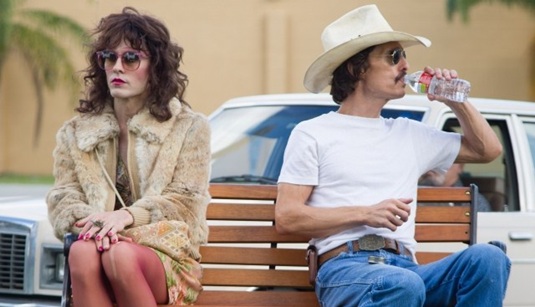
conflict sometimes in broad gestures, for example Woodroof's confrontation with the FDA is Capraesque. There are also scenes of social protest that are more subtle and
recall The Case of the
Grinning Cat while some other scenes are more critical and recall The
Mad Songs of Fernanda Hussein. But what makes Dallas Buyers Club so unique is how Vallée brings all of these elements together to create an emotional experience that is also a site of resistance, empathy and utopian possibilities.
Friday, November 8, 2013
Sunday, November 3, 2013
Friday, November 1, 2013
Monday, September 9, 2013

Subscribe to:
Posts (Atom)